Embryo Transfer
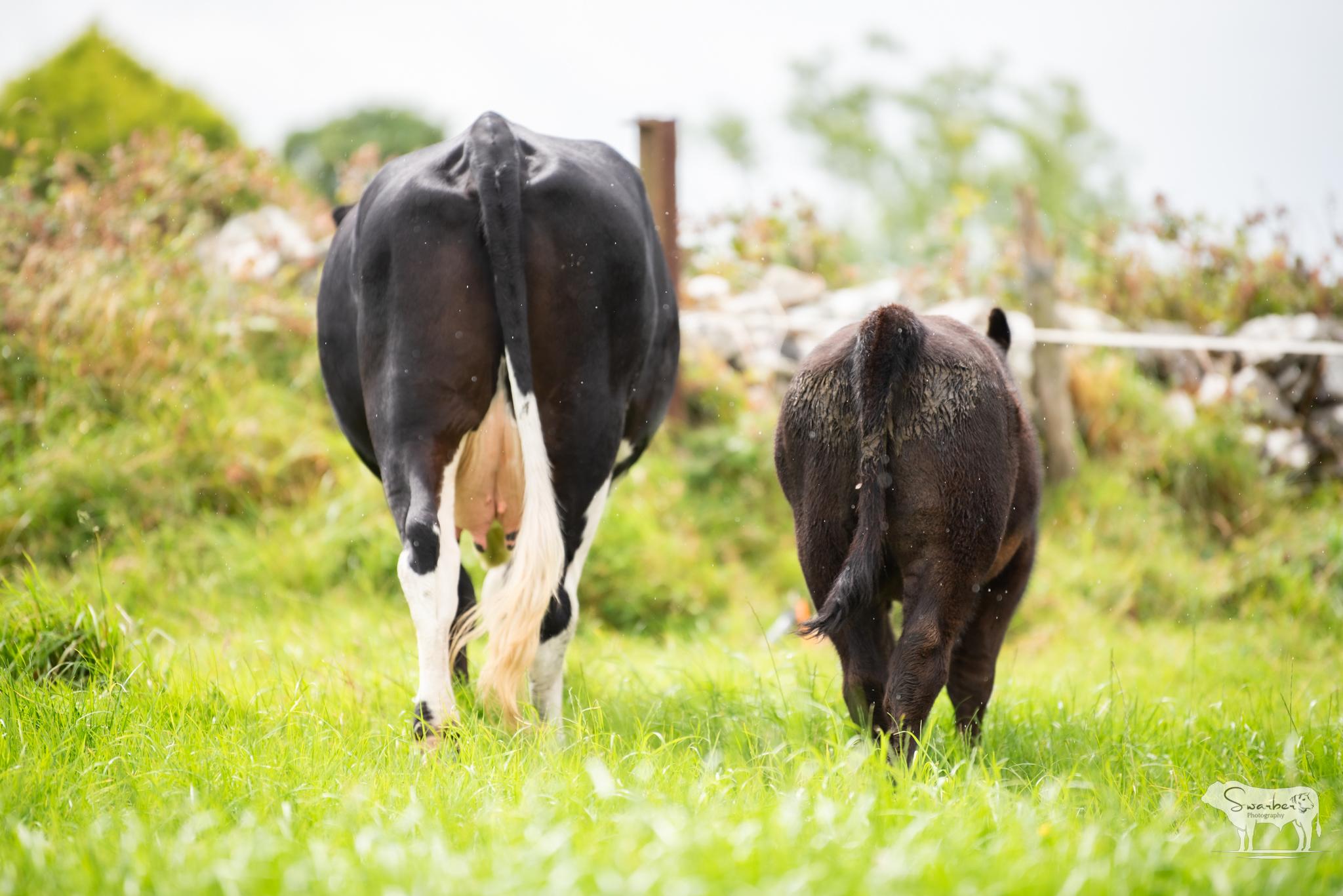
Embryo Transfer (ET) is a reproductive technology that allows more offspring to be produced from a high genetic merit cow, extending the impact of superior cattle genetics.
How it Works
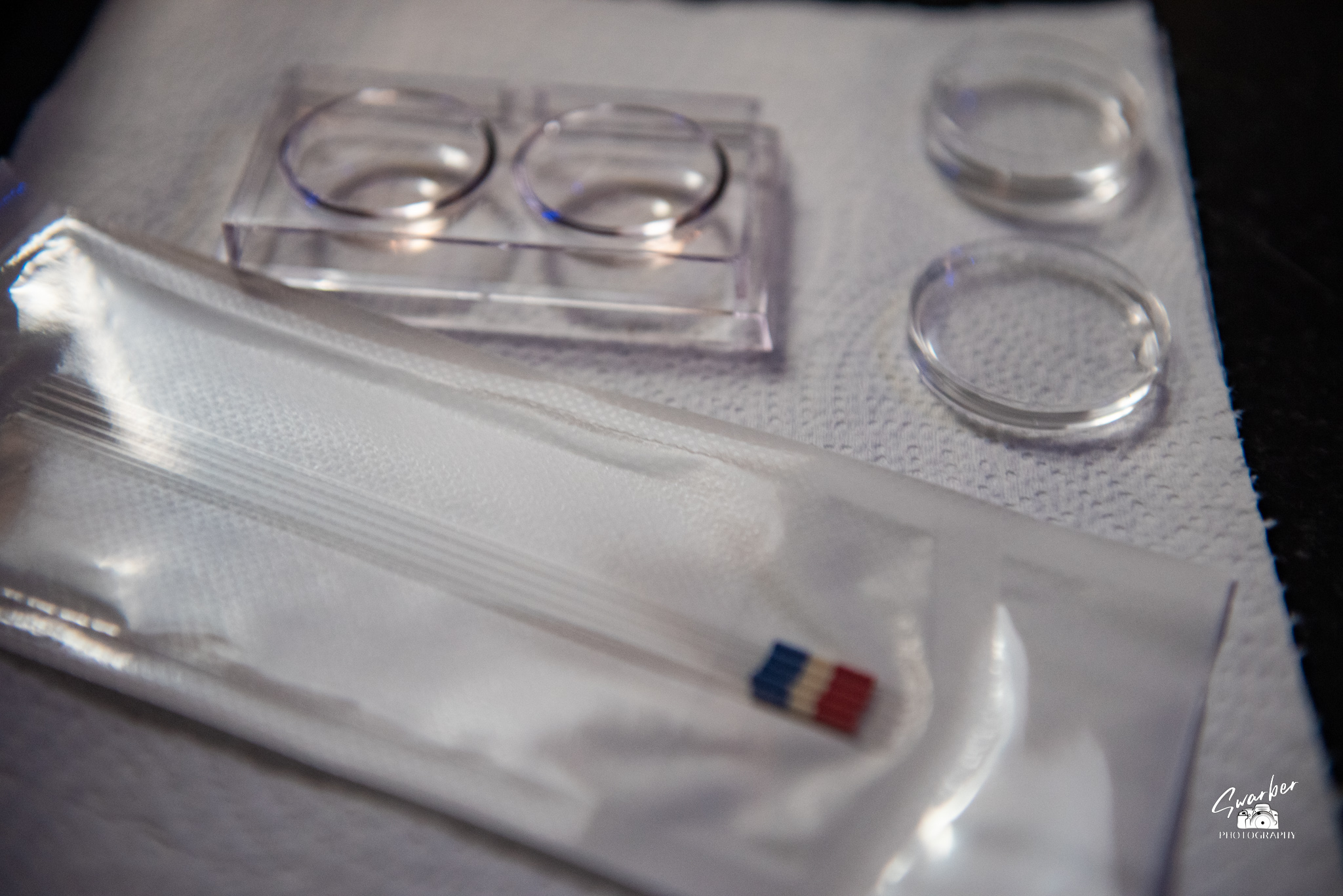
Conventional (in vivo) ET involves treating donor cows or heifers with follicle stimulating hormone (FSH) to produce multiple eggs. The donors are then bred by artificial insemination (AI). About seven days later, embryos are non-surgically collected (“flushed”) from the donor’s uterus.
These embryos can be:
•Transferred fresh into synchronised recipients, who act as surrogate mothers, or
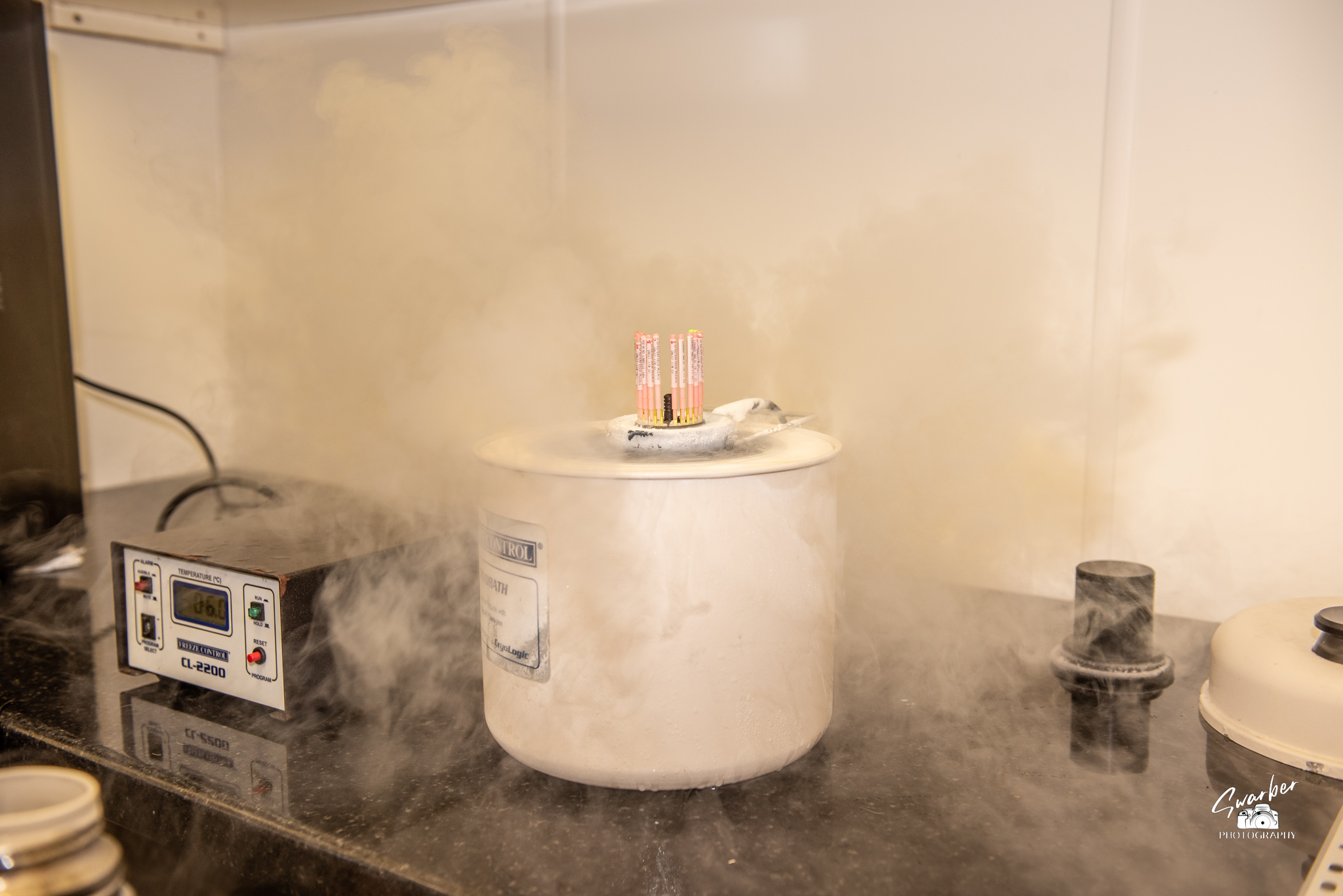
•Frozen (cryopreserved) for later use, stored safely in liquid nitrogen.
What to Expect:
A donor can usually be flushed every 40–60 days. Results vary: on average 5–6
transferrable embryos per flush, but sometimes none — and occasionally more than 20.
Compliance & Trade:
Embryos for domestic use are fully EU-compliant and suitable for transfer within Ireland. When embryos are intended for export, they are washed and labelled according to the International Embryo Transfer Society (IETS) protocol. This ensures they meet international standards and can be traded with full traceability.